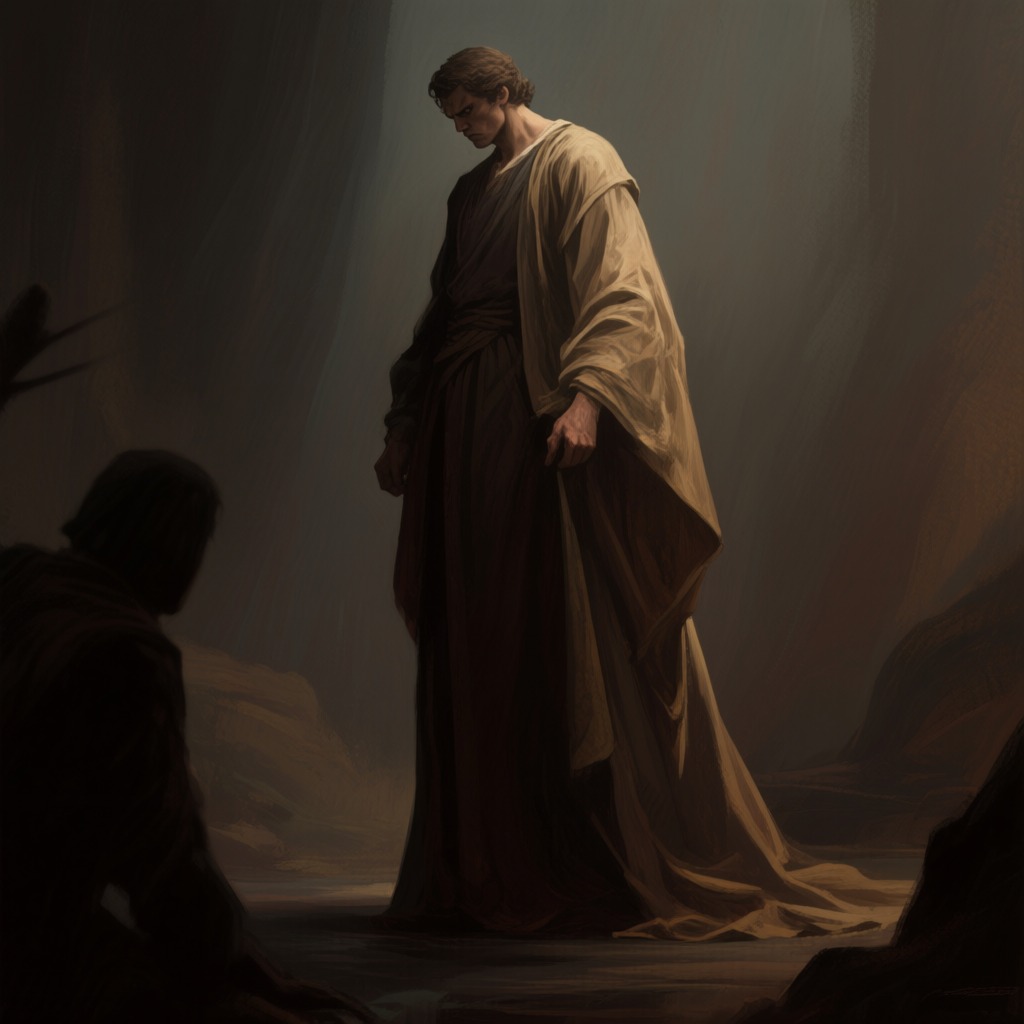
Ghazi Stadium
Ghazi Stadium, located in Kabul, became the primary venue for the Taliban regime's public punishments and executions, transforming a sports arena into a theater of state terror. It is the place where Mariam is executed by firing squad after confessing to killing her husband Rasheed, and where Rasheed himself had earlier gone to watch severed hands, lashings, hangings, and beheadings as entertainment. The stadium thus stands as the most concentrated symbol of the Taliban's legal and social order, a space where the regime's decrees—particularly those targeting women—were enforced with lethal finality.
Location and Setting
Ghazi Stadium is a large sports arena in Kabul, with bleachers that could hold thousands of spectators. When Mariam is brought there for her execution, she sees "thousands of eyes" bearing down on her from the crowded stands, and hears a murmuring ripple through the crowd when her crime is announced over a loudspeaker. The stadium's southern goalpost is the designated execution spot: an armed Talib tells Mariam to walk toward it, and there she is made to kneel before being shot. The open, public nature of the space—designed for athletic competition—is repurposed into a stage for ritualized killing, with the goalpost serving as a makeshift execution ground.
Public Punishments Under the Taliban
Rasheed regularly attended the Friday spectacles at Ghazi Stadium, buying a Pepsi and watching the proceedings with what he describes to Laila as "a queer sort of exhilaration." He recounts seeing hands severed, lashings, hangings, and beheadings, treating these events as entertainment. When Laila calls the Taliban "savages," Rasheed defends the punishments by invoking the Koran's "eye for an eye" principle and comparing the Taliban's body count unfavorably to the Soviets' and the Mujahideen's. The stadium thus becomes the physical manifestation of the Taliban's legal code, where the regime's decrees—including the stoning of adulterers, the amputation of thieves' hands, and the execution of murderers—are carried out before a public audience.
Mariam's Execution
Mariam's execution at Ghazi Stadium is the culmination of her trial, which lasted less than fifteen minutes and involved no legal counsel, no public hearing, no cross-examination of evidence, and no appeals. The middle judge, a dying Talib with a red beard and magnified yellow eyes, tells her that Shari'a law requires him to send her where he will soon join her himself. On the way to the stadium in the bed of a truck, a young armed Talib offers her a biscuit and tells her that his own father had cried like a child when the communists took him, assuring her that being afraid is normal and nothing to be ashamed of. When Mariam is helped down from the truck, she does not look up at the crowd; she keeps her eyes on the ground, on her shadow and her executioner's shadow trailing hers. She walks the final twenty paces without being dragged, steadying herself by thinking of Zalmai, the boy from whom she has taken the love of his life. Near the southern goalpost, the Talib tells her to kneel and look down, and she does as she is told. Her final thoughts are verses from the Koran, muttered under her breath.
Narrative Significance
Ghazi Stadium functions as the ultimate expression of the Taliban's power over life and death, a space where the regime's ideology is physically inscribed on bodies. For Rasheed, it is a site of entertainment and vindication; for Mariam, it is the place where her life ends, but also where she achieves a kind of moral victory—she walks to her death with dignity, having chosen to sacrifice herself so that Laila and the children can escape. The stadium's transformation from a sports arena to an execution ground mirrors the broader transformation of Afghanistan under Taliban rule, where every public space becomes a potential site of surveillance, punishment, and control. The fact that Mariam's execution is carried out in full view of thousands of spectators underscores the Taliban's use of spectacle as a tool of intimidation, but also allows Mariam's final act of defiance—her refusal to beg or weep—to be witnessed by the very public the regime seeks to terrorize.